



Qu\'est-ce que tu cherches?
Le marché solaire européen se stabilise – Les marques chinoises, menées par LONGi, dominent le top 5
Dec 12, 2025
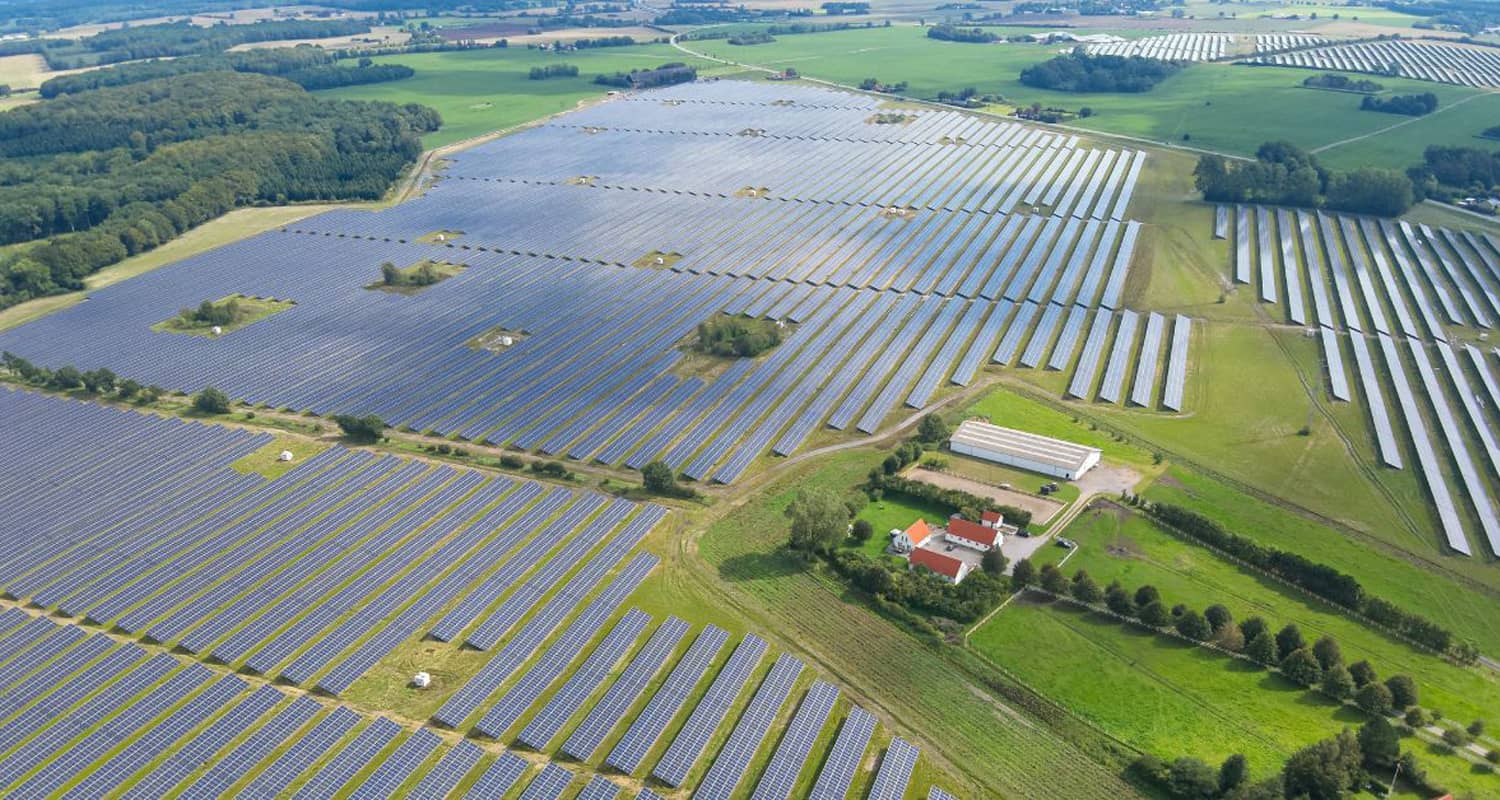
En novembre, le prix moyen de divers modules photovoltaïques (PV) solaires En Europe, la situation est restée stable, ce qui correspond à la confiance générale des acheteurs dans le secteur solaire européen.
Cette conclusion repose sur le dernier rapport pv.index de sun.store, qui analyse les tendances d'achat et le climat du marché dans le secteur solaire européen. Les prix de vente moyens de deux types de modules photovoltaïques monofaciaux suivis par les analystes — PERC et TOPCon — sont restés stables entre octobre et novembre, se stabilisant respectivement à 0,077 €/Wc et 0,098 €/Wc.
Parallèlement, les prix des modules bifaciaux TOPCon et à contact arrière ont légèrement diminué. Le prix de panneaux solaires bifaciaux TOPCon a diminué de 0,094 €/Wp à 0,09 €/Wp et le prix des modules à contact arrière a diminué de 0,104 €/Wp à 0,101 €/Wp.
Plus précisément, après la baisse des prix, le prix de vente moyen des modules bifaciaux TOPCon est revenu à son niveau de janvier dernier. L'année précédente, le prix de ce module avait grimpé jusqu'à 0,105 €/W en avril, avant de baisser continuellement pendant les mois suivants.
C'était également la première fois que pv.index suivait spécifiquement les prix des modules à contacts arrière, qui ont ensuite baissé par rapport aux sommets atteints en Europe en octobre, période où ces modules étaient les plus chers. Les modules entièrement noirs ont alors pris leur place, avec un prix moyen de 0,104 €/W, ce qui en fait le seul type de module à avoir enregistré une hausse de prix mensuelle.
L'indice des directeurs d'achat (PMI) photovoltaïque est un indicateur utilisé par les utilisateurs de sun.store pour mesurer leurs intentions d'achat. Le PMI est resté stable à 66 pendant trois mois consécutifs, un score supérieur à 50 témoignant d'une confiance généralisée dans la croissance du marché pour les mois à venir. sun.store a déclaré que cela indique un marché « équilibré et confiant », tout en restant « prudent » dans l'approvisionnement en modules.
« Le mois de novembre confirme la maturation du marché après une période d'ajustement volatile », explique Filip Kierzkowski, responsable des partenariats et des transactions chez sun.store. Le marché européen des modules photovoltaïques avait déjà atteint son point le plus bas avant de rebondir en octobre. « Les prix sont restés stables en cette fin d'année et les acheteurs ont fait preuve d'une relative modération. »
Cependant, la confiance des acheteurs s'est légèrement améliorée ces derniers mois. Si l'indice PMI global du secteur photovoltaïque est resté stable à 66, la proportion d'acheteurs prévoyant d'acquérir davantage de modules dans les mois à venir a progressivement augmenté, passant de 45 % en septembre à 46 % en octobre, puis à 47 % en novembre.
Bien que cette proportion soit encore bien inférieure aux 58 % d'acheteurs qui prévoyaient d'augmenter leurs stocks en février, lorsque l'indice PMI était de 73, son plus haut niveau des 18 derniers mois, cette légère amélioration de la confiance des acheteurs reste remarquable.
Les entreprises chinoises dominent le classement des marques de modules
Une autre partie du classement répertorie différents fournisseurs de modules et d'onduleurs ; en novembre, le géant chinois du photovoltaïque LONGi a repris la première place du classement des marques de modules solaires, détrônant Jinko, un autre leader chinois du secteur. Sans surprise, les cinq premiers fabricants de modules sont tous chinois.
De même, le fabricant chinois Huawei s'est hissé en tête des classements pour les deux onduleurs hybrides et de chaîne L'entreprise a dépassé Deutsche Welle au classement des onduleurs hybrides et a consolidé sa première place, acquise depuis plusieurs mois, au classement des onduleurs de chaîne. La diversité régionale était légèrement plus marquée dans le classement des onduleurs que dans celui des modules, avec la présence de l'entreprise autrichienne Fronius et du fabricant allemand SMA Solar parmi les cinq premiers fabricants d'onduleurs.
Alors que les prix pour onduleurs connectés au réseau et onduleurs hybrides Avec une augmentation des puissances supérieures à 15 kW entre octobre et novembre, les prix de tous les onduleurs suivis par pv.index ont baissé depuis le début de l'année jusqu'en novembre. La baisse la plus importante a été observée pour les onduleurs hybrides de puissance inférieure à 15 kW, dont les prix sont passés de 123,97 €/kW en janvier à 98,74 €/kW en novembre.
Selon Filip Kierzkowski, sun.store prévoit que les fabricants augmenteront leurs stocks de modules, une remarque qui fait écho à son point de vue exprimé dans un article invité publié le mois dernier sur le blog de PV Tech, où il évoquait la possibilité d'une nouvelle surabondance de l'offre sur le marché solaire européen.
« Parallèlement, nous constatons que les fabricants augmentent leurs stocks de modules, ce qui entraîne généralement des soldes de fin d'année et des promotions ciblées, dont certaines sont déjà en cours sur sun.store », a-t-il déclaré.



5th floor, Block A, Science Avenue,High-tech District, Hefei , Anhui .China
 Accueil