



Qu\'est-ce que tu cherches?
Le plus grand centre de données au monde a échoué, et le gagnant est en réalité l'industrie photovoltaïque ?
Jul 08, 2026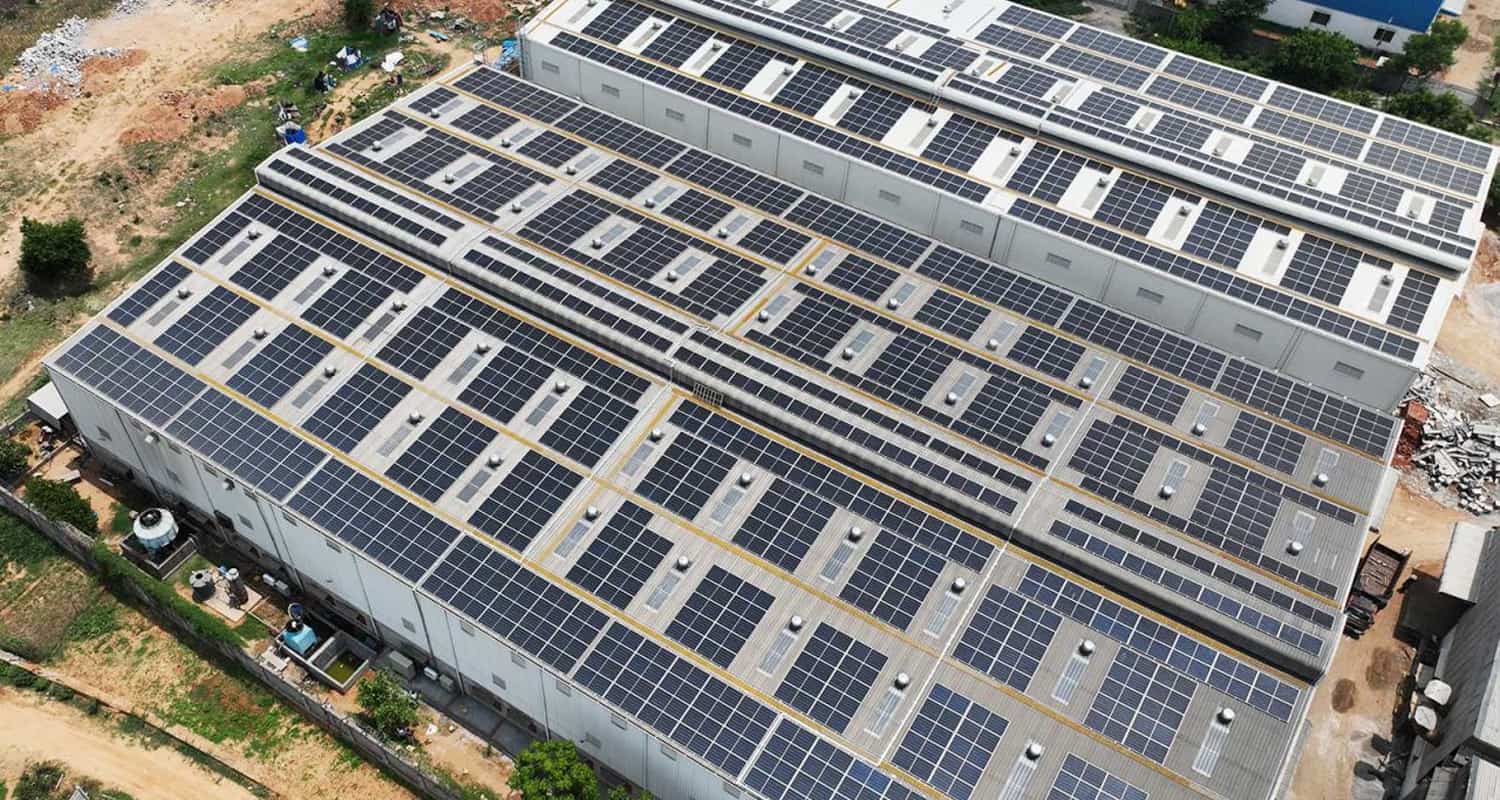
Quelle infrastructure est la plus en vogue à l'ère de l'IA ? La réponse est sans aucun doute les centres de données. Cependant, des nouvelles récentes ont refroidi l'engouement toujours croissant pour les infrastructures de puissance de calcul.
Le 2 juillet, heure locale, QTS, un opérateur de centres de données appartenant au Blackstone Group, a officiellement annoncé son retrait d'un projet de centre de données à grande échelle dans le comté de Prince William, en Virginie.
Selon le plan initial, le projet couvrait 2 100 acres et prévoyait d'inclure 37 bâtiments de centres de données avec une superficie totale de construction de 22 millions de pieds carrés, ce qui en aurait fait le plus grand campus de centre de données unique au monde une fois achevé.
Tout récemment, Blackstone a vendu trois autres actifs de centres de données en Virginie pour 3,5 milliards de dollars. Ce retrait et cette vente démontrent clairement le changement de stratégie d'investissement de cet opérateur mondial de premier plan de centres de données concernant son cluster informatique central en Amérique du Nord.
Ces dernières années, la croissance explosive de la demande en puissance de calcul liée à l'IA a fait des centres de données une cible de la concurrence des capitaux mondiaux. Les géants de la technologie se développent rapidement, les capitaux spéculatifs de Wall Street affluent, et l'ensemble du secteur connaît une expansion rapide. Cependant, au milieu de cette croissance fulgurante, les pénuries d'électricité deviennent un goulot d'étranglement limitant l'expansion de la puissance de calcul.
I. Pénurie d'électricité des centres de données
La Virginie du Nord, connue sous le nom de « corridor mondial des centres de données », abrite environ un tiers des centres de données hyperscale du pays et traite plus de 70 % du trafic Internet mondial.
Pendant les dernières années, ses prix de l'électricité relativement bas, ses politiques fiscales avantageuses et son infrastructure réseau bien développée en ont fait un emplacement privilégié pour les géants mondiaux de la technologie et les investisseurs souhaitant déployer des infrastructures de puissance de calcul. Cependant, la croissance explosive de la demande informatique stimulée par la révolution de l'IA a poussé la capacité du réseau électrique local à ses limites.
Dominion Energy, responsable de l'alimentation électrique de la Virginie du Nord, compte actuellement plus de 70 GW de demandes de raccordement électrique à forte charge en attente, soit près de trois fois la charge de pointe historique de la région.
En revanche, les projets d'expansion à grande échelle des lignes de transport et des postes électriques comportent plusieurs étapes, notamment la planification, les autorisations et l'acquisition de terrains, avec des cycles de construction de 3 à 7 ans. Les projets prennent souvent plusieurs années entre le dépôt de la demande et l'approvisionnement complet en électricité.
Au rythme actuel de construction, les projets de centres de données déposant aujourd'hui des demandes de raccordement ne pourront atteindre une alimentation électrique à pleine charge qu'au plus tôt vers 2030.
Alors que les délais d'attente sur le réseau continuent de s'allonger, les coûts de l'électricité explosent également. Lors de l'enchère de capacité 2027/2028 du marché de l'électricité PJM, un déficit de capacité d'environ 6,5 GW est apparu pour la première fois, avec des prix de règlement atteignant directement le plafond réglementaire, soit une augmentation de plus de dix fois par rapport aux creux du marché quelques années auparavant.
La Virginie mettra également en œuvre un nouveau mécanisme de tarification de l'électricité à partir de 2027, exigeant que les utilisateurs de grands centres de données dépassant 25 MW prennent en charge au moins 85 % du coût de capacité contractée, transférant davantage de coûts d'expansion du réseau vers les utilisateurs de puissance de calcul et augmentant encore les dépenses d'exploitation à long terme des projets.
L'expansion du réseau reste une perspective lointaine, les coûts d'accès continuent d'augmenter et l'environnement social devient plus restrictif. Un sondage Gallup réalisé en mars 2026 a montré qu'environ 70 % des Américains s'opposent à la construction de centres de données d'IA près de leur domicile, dont 48 % expriment une forte opposition. Environ un cinquième des répondants craignent que l'immense consommation électrique des centres de données n'entraîne une hausse des factures d'électricité des résidents locaux.
Par conséquent, l'issue du projet de centre de données du Blackstone Group était déjà prévisible. Plutôt que de poursuivre de force et de se retrouver en difficulté, il était préférable de retirer proactivement le projet et de limiter les pertes.
II. Les goulots d'étranglement énergétiques remodèlent l'industrie des centres de données
La situation difficile de la Virginie n'est qu'un microcosme du déséquilibre mondial entre l'offre et la demande d'électricité provoqué par l'expansion rapide de la puissance de calcul liée à l'IA.
Pendant longtemps, la sélection des sites et la construction des centres de données reposaient sur les terrains, la bande passante réseau et les coûts de capitaux, l'approvisionnement électrique étant considéré comme un besoin fondamental facilement disponible.
Cependant, l'arrivée de l'ère de l'IA a complètement réécrit cette logique. Un serveur d'IA équipé d'un GPU haute performance consomme plusieurs fois, voire davantage, l'énergie d'un serveur généraliste traditionnel, entraînant une augmentation exponentielle de la demande énergétique des clusters de calcul haute densité.
Selon les estimations du secteur, d'ici 2030, les centres de données aux États-Unis représenteront plus d'un dixième de la consommation totale d'électricité de l'ensemble de la société, la puissance de calcul liée à l'IA contribuant à plus de la moitié de la demande supplémentaire.
Cependant, la vitesse d'expansion du réseau électrique mondial ne correspond pas à la période de croissance de la puissance de calcul. Une ligne de transport de 500 kV nécessite généralement cinq ans ou plus entre la planification et la mise en service, tandis qu'un grand centre de données ne prend qu'un à un an et demi entre le début des travaux et l'exploitation.
Cette différence de vitesse crée une congestion électrique croissante dans les principaux clusters informatiques du monde entier. Du Texas aux États-Unis à l'Irlande et Singapour, l'insuffisance de capacité électrique est devenue un obstacle commun au déploiement des centres de données.
Cela signifie que le développement de l'industrie des centres de données passe d'une expansion progressive basée sur « l'acquisition de terrains » à un développement contraint par les ressources basé sur « la disponibilité de l'électricité ». Celui qui pourra résoudre en premier le problème d'une alimentation électrique stable, bas carbone, déployable et autosuffisante prendra l'avantage dans la compétition pour les infrastructures informatiques de nouvelle génération.
III. L'énergie solaire est-elle la solution optimale ?
Une expression largement répandue dans l'industrie des centres de données affirme que dans la seconde moitié de l'IA, il ne s'agit pas de puissance de calcul, mais d'électricité.
Dans la solution visant à surmonter les goulets d'étranglement énergétiques, le déploiement proactif decentrales photovoltaïques (PV) distribuéeset decentrales de stockage d'énergieavec leurs avantages de cycles de construction courts, de maturité technologique élevée et de coûts en baisse continue, devient une voie de rupture largement reconnue.
Pour les projets de centres de données bloqués au stade du raccordement au réseau, la valeur la plus directe de l'ajout de photovoltaïque et de stockage d'énergie associé est de réduire le temps d'attente pour le raccordement, de lisser efficacement les pics de charge électrique et de réduire en conséquence la capacité d'accès demandée au réseau.
Dans certains clusters informatiques où les ressources électriques sont rares, plus la capacité d'accès demandée est faible, plus le cycle d'approbation de la file d'attente tend à être court. Comparé au cycle d'expansion du réseau qui prend souvent plusieurs années, le cycle de mise en service des projets photovoltaïques (PV) etde stockage d'énergie (ESS)présente un avantage temporel significatif.
Outre l'accélération de la mise en œuvre des projets, l'effet de couverture contre les coûts de l'électricité est également crucial. Les coûts de l'électricité ont toujours constitué une dépense majeure pour l'exploitation des centres de données et, ces dernières années, en plus de l'augmentation continue des prix de l'électricité, les hausses des prix de capacité et des prix de transport et de distribution ont été encore plus importantes.
La couverture contre les coûts de l'électricité est également indispensable. Les coûts de l'électricité ont toujours constitué une dépense majeure pour l'exploitation des centres de données et, ces dernières années, en plus de l'augmentation continue des prix de l'électricité, les hausses des prix de capacité et des prix de transport et de distribution ont été encore plus importantes. Le coût par kilowattheure de la production photovoltaïque présente déjà un avantage évident ; combiné au stockage d'énergie permettant de charger pendant les heures creuses et de décharger pendant les heures de pointe, il est possible de réaliser un arbitrage heures pleines-heures creuses et d'obtenir des revenus supplémentaires en participant aux marchés de réponse à la demande et des services auxiliaires.
Plus important encore, le coût initial de construction des projets PV-ESS est relativement fixe, fournissant essentiellement un filet de sécurité pour les coûts d'électricité du projet au cours des vingt prochaines années environ, et atténuant efficacement le risque d'augmentation à long terme des prix de l'électricité.
Dans le même temps, des exigences mondiales de plus en plus strictes en matière d'électricité verte obligent également l'industrie informatique à accélérer son adoption de nouvelles sources d'énergie. Au niveau national, le rapport de travail du gouvernement de cette année a inclus pour la première fois la « synergie entre l'informatique et l'électricité » dans le cadre des nouvelles infrastructures. Auparavant, la Commission nationale du développement et de la réforme et d'autres départements avaient publié le « Plan d'action spécial pour le développement vert et bas carbone des centres de données », qui exige explicitement que les centres de données nouvellement construits dans les nœuds centraux nationaux disposent d'une proportion d'électricité verte supérieure à 80 %.
Cela signifie que le photovoltaïque est presque devenu une nécessité.
Bien entendu, l'intégration du photovoltaïque et du stockage d'énergie pour les centres de données n'est pas une solution miracle. Les centres de données fonctionnent à pleine charge 24 heures sur 24, tandis que le photovoltaïque ne produit de l'électricité que pendant la journée. Pour couvrir la demande de toute la journée, un stockage d'énergie de longue durée est nécessaire. Actuellement, le stockage d'énergie allant jusqu'à 4 heures est économiquement viable, mais le coût du stockage à plus long terme reste élevé.
L'espace disponible sur le site constitue un autre obstacle. Les centres de données hyperscale ont des besoins en électricité extrêmement élevés. Pour accroître l'autosuffisance en électricité verte, des centrales électriques au sol de grande échelle sont souvent nécessaires. Cependant, dans les zones où les grappes de puissance de calcul sont denses, les ressources foncières sont généralement rares et les coûts d'acquisition des terrains restent élevés.
Ces contraintes pratiques existent objectivement, mais la direction du progrès de l'industrie est claire. Le retrait de Blackstone de son projet n'est pas un signe du déclin de l'essor des infrastructures de puissance de calcul, mais plutôt un tournant vers l'abandon d'une expansion extensive et le retour aux fondamentaux de l'électricité. Cette transformation industrielle provoquée par les pénuries d'électricité continuera d'ouvrir de nouvelles opportunités de croissance pour le photovoltaïque.



5th floor, Block A, Science Avenue,High-tech District, Hefei , Anhui .China
 Accueil