



Qu\'est-ce que tu cherches?
Une augmentation stupéfiante de 295 % ! Sur le marché du stockage d'énergie en 2026, le stockage de longue durée dominera le marché !
Apr 22, 2026
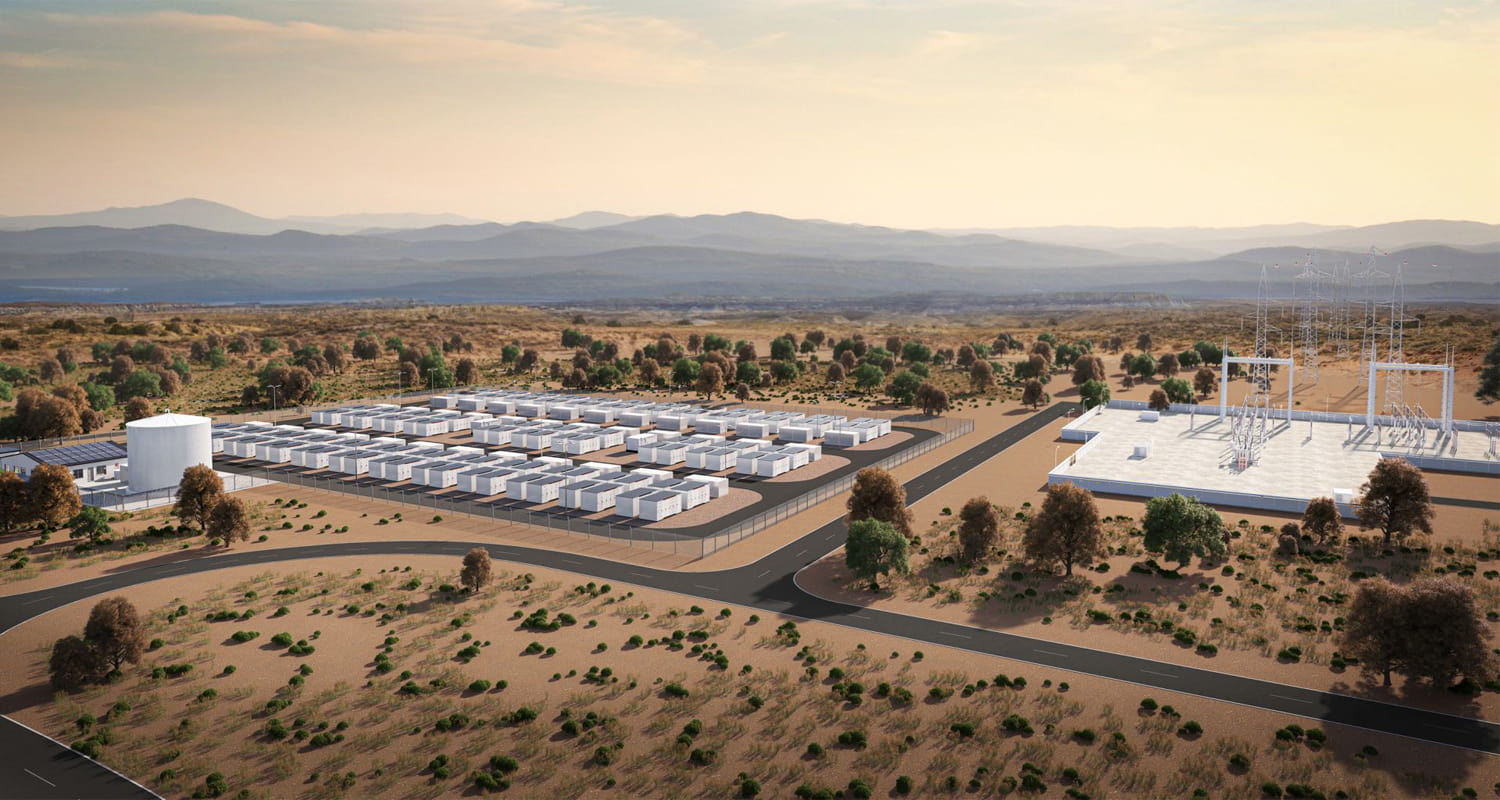
01. L'échelle a presque triplé
D'après les statistiques incomplètes de la base de données sectorielle de la branche Applications du stockage d'énergie de la CESA, la puissance des projets de stockage d'énergie de longue durée raccordés au réseau en Chine a atteint 4,16 GW/17,05 GWh au premier trimestre de cette année, soit une augmentation annuelle de 285 % (puissance) et 295 % (capacité). Cette multiplication par près de trois démontre que le stockage d'énergie de longue durée est véritablement passé d'une option à une nécessité. nouveaux systèmes électriques .
En fait, en 2025, la capacité nouvellement installée de 4 heures projets de stockage d'énergie en Chine a atteint 26,7 GW/106,8 GWh, représentant 41,3 % (puissance)/54,3 % (capacité) de la capacité totale nouvellement installée de stockage d'énergie nouvelle, ce qui signifie que le stockage d'énergie de longue durée représentait déjà la moitié de la capacité nouvellement installée de stockage d'énergie nouvelle en 2025.
Au premier trimestre 2026, la dynamique de croissance s'est non seulement maintenue, mais s'est au contraire accentuée. La capacité totale de stockage d'énergie nouvellement installée en Chine a atteint 13,49 GW/35,89 GWh, soit une croissance annuelle de 147,98 % (puissance) et de 176,93 % (capacité). Parmi ces installations, les projets raccordés au réseau ont enregistré une hausse significative de 293,93 %, correspondant précisément au principal cas d'utilisation du stockage d'énergie de longue durée.
Sur le marché des appels d'offres, les signaux sont encore plus clairs. Au premier trimestre 2026, la capacité totale des projets de stockage d'énergie attribués à l'échelle nationale a atteint 38,087 GW/174,288 GWh, soit une augmentation d'environ 66 % par rapport à l'année précédente. En termes de capacité, les systèmes de stockage d'énergie de 2 heures représentaient 43,95 %, les systèmes de 4 heures 36,96 % et les systèmes d'une capacité supérieure à 4 heures 13,14 % — le stockage d'énergie de longue durée représentant plus de 50 % du total. Dans le cadre du projet 2026 de Beijing Jianglai Energy, la capacité totale était de 6 GWh. système de stockage d'énergie En matière d'approvisionnement, les systèmes de 4 heures représentaient un pourcentage stupéfiant de 83 % de la demande, tandis que les produits traditionnels de 2 heures ne représentaient que 17 %.
En ce qui concerne la répartition régionale, le stockage d'énergie de longue durée est fortement concentré dans les principales provinces productrices d'énergies renouvelables, riches en ressources éoliennes et solaires. D'après les données de raccordement au réseau du premier trimestre, la région Nord-Ouest domine largement avec une capacité de 2,24 GW et 9,37 GWh. Le Xinjiang a ajouté 7,51 GWh de capacité installée au premier trimestre, avec une durée de stockage moyenne de 3,5 heures, se classant ainsi premier au niveau national. La Mongolie-Intérieure et le Ningxia suivent de près avec respectivement 5,74 GWh et 5,4 GWh. À elles trois, ces provinces ont représenté plus de la moitié des nouvelles capacités installées au niveau national au premier trimestre.
Cette répartition régionale « centrée sur le Nord-Ouest » reflète profondément le rôle irremplaçable du stockage d'énergie de longue durée dans la résolution du problème de la forte proportion de consommation d'énergies renouvelables.
02. Croissance et stimulation économique induites par les politiques publiques
La croissance explosive du stockage d'énergie de longue durée est à la fois le résultat des forces du marché et indissociable du rôle catalyseur des politiques nationales.
Le 30 janvier 2026, la Commission nationale du développement et de la réforme et l'Administration nationale de l'énergie ont publié conjointement l'« Avis sur l'amélioration du mécanisme de prix de la capacité côté production » (NDRC Price [2026] n° 114), qui a établi pour la première fois clairement un nouveau mécanisme de prix indépendant de la capacité de stockage d'énergie côté réseau au niveau national.
L'importance de ce document ne saurait être surestimée : il met fin à la situation difficile qui prévalait depuis longtemps dans le secteur du stockage d'énergie, lequel dépendait uniquement de l'arbitrage des prix entre les pics et les creux de consommation et de subventions fragmentées pour survivre, en assurant un « revenu minimum » stable au stockage d'énergie indépendant.
Conformément à la logique de tarification de base du document n° 114 : le niveau de prix de l'électricité de la nouvelle capacité de stockage d'énergie indépendante côté réseau est basé sur la norme de prix de la capacité de production d'électricité locale au charbon et est calculé selon une certaine proportion basée sur la capacité de pointe (le taux de conversion est le temps de décharge continue à pleine puissance divisé par la durée de pointe de charge nette la plus longue de l'année, ne dépassant pas 1).
La formule de conversion est la suivante : Rapport de conversion = Durée de décharge continue à pleine puissance ÷ Durée de pointe de charge nette la plus longue de l’année (ne dépassant pas 1)
(« Durée maximale de la pointe de consommation nette annuelle » désigne la durée maximale de la pointe de consommation nette enregistrée dans une province donnée au cours de l’année. D’après les courbes de prix du marché spot de l’électricité dans différentes régions, cette durée peut atteindre 4 heures, 6 heures, voire plus.) Comme le montre la formule, les revenus des projets de stockage d’énergie sont directement liés à leur durée de décharge continue à pleine puissance : plus cette durée est longue, plus les revenus sont élevés, ce qui incite le secteur à adopter des solutions de stockage d’énergie de longue durée (4 heures et plus).
En ce qui concerne les normes de tarification de la capacité de production d'électricité à partir du charbon, les normes nationales actuelles sont principalement divisées en trois niveaux : 165 yuans/kW·an, 231 yuans/kW·an et 330 yuans/kW·an, correspondant respectivement à 50 %, 70 % et 100 % des coûts fixes des unités de production d'électricité à partir du charbon.
Auparavant, la province du Gansu avait déjà adopté une politique similaire, devenant ainsi la première province à mettre en œuvre une telle mesure. Elle stipulait explicitement que le prix de la capacité pour le stockage d'énergie indépendant serait identique à celui des centrales au charbon, soit 330 yuans/kW·an, et que la durée maximale de la pointe de consommation annuelle serait fixée provisoirement à 6 heures. Selon la formule de conversion, 2 heures de stockage ne recevraient qu'un tiers du prix de la capacité, 4 heures les deux tiers, et 6 heures la totalité, soulignant ainsi d'emblée les avantages économiques du stockage d'énergie de longue durée.
La mise en œuvre des incitations politiques a directement impulsé un progrès qualitatif dans la rentabilité des projets de stockage d'énergie. Prenons l'exemple d'un projet de stockage d'énergie indépendant de 100 MW/500 MWh (5 heures) : en l'absence de tarification de la capacité, et en s'appuyant uniquement sur l'arbitrage des prix spot, le taux de rendement interne (TRI) du projet n'est que de 2,8 %, bien en deçà des coûts de financement du secteur, ce qui le rend quasiment inintéressant. Cependant, après l'instauration d'une tarification de la capacité avantageuse de 330 yuans/kW·an, le TRI du projet grimpe à 12,8 %, le délai de retour sur investissement est ramené à 3,5 ans et son attractivité s'en trouve considérablement renforcée.
Les directives nationales ont été rapidement mises en œuvre au niveau local. À ce jour, neuf provinces chinoises – Hubei, Gansu, Ningxia, Hebei, Mongolie-Intérieure, Guangdong, Zhejiang, Shandong et Xinjiang – ont été pionnières dans l’application de politiques indépendantes de tarification et de compensation des capacités de stockage d’énergie, couvrant cinq grandes régions : le Nord-Ouest, le Nord, l’Est, le Sud et le Centre de la Chine.
03. Le secteur du stockage d'énergie à longue durée est en plein essor dans de nombreux domaines.
La croissance explosive de stockage d'énergie de longue durée est indissociable de la maturation itérative des technologies. En 2026, le paysage technologique du stockage d'énergie à long terme révèle une structure où la batterie lithium-ion constitue le socle, tandis que d'autres technologies diversifiées coexistent : aucune technologie ne peut à elle seule résoudre tous les problèmes, et différentes technologies excellent dans différents contextes.
Le phosphate de fer lithié (LFP) demeure la solution de stockage d'énergie de référence à long terme. La principale raison de cette domination réside dans son avantage économique : en 2025, le prix moyen des systèmes de stockage d'énergie LFP n'était que de 0,5356 yuan/Wh, tandis que celui des systèmes à flux redox de vanadium était quatre fois supérieur. Face à la croissance exponentielle de la demande en stockage d'énergie de longue durée, les entreprises leaders ont lancé des cellules de très grande capacité (600 Ah et plus). À mesure que cette technologie se perfectionne, l'adoption des batteries au lithium pour le stockage d'énergie de longue durée (6 à 8 heures) s'accélérera.
Les batteries redox à flux de vanadium (VRB) figurent parmi les technologies les plus prometteuses dans le domaine du stockage d'énergie à long terme. Comparées aux batteries lithium traditionnelles, les VRB présentent trois avantages majeurs :
Tout d'abord, longue durée de vie : les VRB peuvent effectuer des dizaines de milliers de cycles, avec une durée de vie supérieure à 20 ans, dépassant largement les 8 à 10 ans des VRB classiques. batteries au lithium , réduisant considérablement le coût total du cycle de vie des projets de stockage d'énergie.
Deuxièmement, sécurité élevée : grâce à l’utilisation d’un électrolyte aqueux, il n’y a aucun risque d’emballement thermique, d’explosion ou d’incendie. Il permet une décharge complète à 100 % et, même en cas de fuite, il ne provoque pas de pollution environnementale grave.
Troisièmement, extension de capacité flexible : la puissance (empilement) et la capacité (électrolyte) peuvent être conçues séparément. Pour augmenter la capacité de stockage d’énergie, il suffit d’agrandir le réservoir d’électrolyte, sans remplacer l’empilement. Cette extension est simple et peu coûteuse, et s’adapte aux besoins des projets de stockage d’énergie de différentes envergures.
Les données montrent qu'en 2025, les batteries redox vanadium (VRB) ajouteront 1,06 GW/4,45 GWh de capacité installée, représentant plus de 96 % de la capacité totale installée des batteries à flux. Parallèlement, le modèle de location d'électrolyte se généralise, réduisant l'investissement initial des propriétaires de 40 à 50 %, ce qui allège considérablement le coût initial des batteries au vanadium. Grâce à la baisse continue des coûts tout au long de la chaîne de valeur et à l'augmentation de la production nationale de séparateurs, les batteries redox vanadium à flux devraient connaître une accélération de leur commercialisation en 2027.
Outre les batteries à flux, les batteries au sodium émergent progressivement comme une étoile montante dans le secteur du stockage d'énergie à long terme grâce à leurs avantages en termes de ressources et d'adaptabilité environnementale.
Le principal avantage des batteries sodium réside dans l'absence de dépendance aux ressources rares du lithium : le sodium est extrêmement abondant sur Terre, mille fois plus abondant que le lithium, et peut être facilement extrait de ressources naturelles telles que l'eau de mer et les lacs salés. Le coût des matières premières est environ 40 % inférieur à celui du lithium, ce qui élimine le problème de pénurie de ressources associé aux batteries au lithium et réduit les coûts des matières premières pour les projets de stockage d'énergie.
Parallèlement, les batteries sodium présentent une excellente adaptabilité environnementale, fonctionnant de manière stable dans des environnements extrêmes allant de -40 °C à 60 °C. Leur taux de rétention de capacité à basse température est bien supérieur à celui des batteries lithium, ce qui les rend particulièrement adaptées aux besoins de stockage d'énergie à long terme dans des contextes de basses températures et de haute altitude, comme les parcs éoliens du nord-ouest de la Chine (Xinjiang et Gansu) et les centrales photovoltaïques de haute altitude du sud-ouest du pays. L'année 2026 sera une année charnière pour l'industrie des batteries sodium, marquant son passage de la recherche en laboratoire à une application à grande échelle.
Le 5 février, Changan Automobile a officiellement lancé sa stratégie mondiale en matière de batteries au sodium, en partenariat avec CATL, pour commercialiser le premier véhicule de tourisme au monde produit en série avec une batterie au sodium, dont le lancement officiel est prévu pour mi-2026. Ce modèle démontre des performances exceptionnelles dans des environnements à très basse température, avec une puissance de décharge près de trois fois supérieure à celle des batteries lithium-fer-phosphate classiques à -30 °C, une rétention de capacité supérieure à 90 % à -40 °C et même un fonctionnement stable à -50 °C, illustrant ainsi les performances supérieures des batteries au sodium à basse température.
Afin de favoriser le déploiement à grande échelle des batteries sodium, CATL a annoncé son intention de construire plus de 3 000 stations d'échange de batteries, reconnaissables à leur forme de « chocolat », à travers tout le pays d'ici 2026. Ces stations couvriront plus de 140 villes et permettront de constituer un écosystème complet pour les batteries sodium. Par ailleurs, CATL a investi près de 10 milliards de yuans dans la recherche et le développement de technologies liées aux batteries sodium, avec pour objectif de proposer des batteries sodium moins chères que les batteries lithium d'ici 2028. Outre Changan Automobile, CATL collaborera également avec JD.com et le groupe GAC pour lancer des modèles de série équipés de batteries sodium, disponibles dès le deuxième trimestre 2026.
Un rapport de recherche de Dongguan Securities indique que plus de 15 entreprises chinoises ont déjà réalisé des avancées significatives dans la production en série de batteries au sodium, et que des constructeurs automobiles étrangers tels que BMW et Toyota accélèrent également leur déploiement. L'application à grande échelle des batteries au sodium favorisera leur popularisation dans le domaine du stockage d'énergie à long terme.
Outre les batteries au lithium, les batteries à flux et les batteries au sodium, les technologies de stockage d'énergie à long terme telles que le stockage d'énergie par air comprimé et le stockage d'énergie par gravité connaissent également des avancées majeures, formant un paysage technologique diversifié.
Le stockage d'énergie par air comprimé présente des avantages tels qu'une capacité de l'ordre du mégawatt, une longue durée de stockage et un faible coût, ce qui le rend adapté aux projets de stockage d'énergie de grande envergure et de longue durée raccordés au réseau. Le stockage d'énergie par gravité utilise l'énergie potentielle gravitationnelle pour stocker et libérer de l'énergie électrique. Il se caractérise par une longue durée de vie, l'absence de pollution et un faible coût, ce qui le rend adapté à divers besoins de stockage d'énergie de longue durée.
Notamment, stockage d'énergie hybride Le stockage hybride devient une voie majeure pour tirer parti des atouts des différentes technologies de stockage d'énergie de longue durée. Les nouveaux réseaux électriques présentent des exigences de plus en plus diversifiées en matière de puissance, de durée et de temps de réponse du stockage d'énergie, ce qui rend difficile pour une seule technologie de répondre à tous les besoins. Le stockage hybride, en combinant plusieurs méthodes de stockage, offre à la fois efficacité économique et stabilité. Le projet de 400 MW/1 600 MWh de Ganquanbao, au Xinjiang, a adopté une approche multitechnologique combinant batteries lithium-fer-phosphate, batteries sodium-ion et batteries à flux redox vanadium, devenant ainsi le plus grand projet de stockage d'énergie électrochimique hybride partagé du Xinjiang. Le stockage hybride représente une voie importante pour la pénétration du marché par les technologies non-lithium, telles que les batteries à flux et les batteries sodium.
À mesure que les différentes technologies de stockage d'énergie de longue durée continuent de gagner en maturité et que leurs coûts continuent de baisser, la viabilité économique des projets de stockage d'énergie de longue durée s'améliorera encore, stimulant ainsi un développement rapide du secteur.
04. Les projets de stockage d'énergie à long terme seront un axe prioritaire en 2026.
Le soutien des politiques de tarification de la capacité, la force motrice de la demande du système électrique et l'innovation technologique propulseront conjointement le marché du stockage d'énergie de longue durée vers une croissance explosive en 2026.
En termes de taille de marché, les prévisions du secteur anticipent une augmentation rapide de la part des systèmes de stockage d'énergie de longue durée (4 heures et plus) dans les nouvelles installations, passant d'environ 35 % en 2025 à 60 % en 2026 et 80 % en 2027. Durant la période du 15e plan quinquennal (2026-2030), la capacité totale installée de nouveaux systèmes de stockage d'énergie en Chine connaîtra une croissance exponentielle. De nombreuses provinces productrices d'énergie éolienne et solaire ont prévu de nouvelles installations de l'ordre du gigawattheure (GWh), générant des investissements dépassant 300 milliards de yuans. Le stockage d'énergie de longue durée dominera cette croissance et deviendra le principal moteur du marché.
En termes de répartition régionale, les zones à forte concentration énergie renouvelable La pénétration et la forte pression sur le réseau seront les principaux axes des projets de stockage d'énergie de longue durée.
Le premier niveau comprend principalement les régions du nord-ouest telles que le Gansu, le Ningxia et la Mongolie-Intérieure. Ces zones affichent des taux de pénétration des énergies renouvelables supérieurs à 50 %, d'abondantes ressources éoliennes et solaires, mais leurs centres de consommation sont géographiquement éloignés, ce qui engendre d'importants problèmes de limitation de la production éolienne et solaire et un besoin urgent de stockage d'énergie de longue durée. Le Gansu, en particulier, propose une norme de compensation tarifaire élevée pour la capacité de stockage d'énergie, à hauteur de 330 yuans/kW·an, ce qui stimulera fortement le déploiement de projets de stockage d'énergie de longue durée.
Le deuxième niveau comprend les provinces de l'est et du centre telles que le Shandong, le Zhejiang et le Hubei, avec des taux de pénétration des énergies renouvelables compris entre 30 % et 50 %, où la demande du marché sera progressivement libérée.
Le troisième palier comprend les régions du nord-est et du sud-ouest, où les taux de pénétration des énergies renouvelables sont plus faibles. Ces zones élaborent actuellement des politiques tarifaires pour la capacité de stockage, et le marché du stockage d'énergie de longue durée devrait progressivement se développer.
Par ailleurs, il convient de noter qu'avec l'intégration accélérée de l'IA et du stockage d'énergie, la demande en solutions de stockage d'énergie pour les centres de données d'IA (AIDC) devient un nouveau moteur de croissance. Le rapport gouvernemental sur les travaux de 2026 a inclus pour la première fois la « synergie entre calcul et énergie » dans le projet de nouvelle infrastructure, assortie de l'exigence que les nouveaux centres de données construits sur les nœuds centraux nationaux atteignent un taux d'électricité verte supérieur à 80 %, faisant du stockage d'énergie pour les AIDC un autre moteur de croissance pour le stockage d'énergie à long terme. 1 GW de puissance de calcul consomme environ 7 000 GWh d'électricité par an. L'infrastructure traditionnelle du réseau électrique peine à répondre rapidement aux besoins en électricité des AIDC, ce qui rend le stockage d'énergie à long terme crucial pour résoudre les problèmes d'approvisionnement. Les prévisions du secteur estiment que d'ici 2030, la capacité de stockage d'énergie des centres de données d'IA atteindra 300 GWh, les premiers projets devant être mis en œuvre dès 2026. La combinaison du raccordement direct à l'électricité verte et du stockage d'énergie pour les AIDC ouvre un marché entièrement nouveau.
L’essor fulgurant du marché du stockage d’énergie à long terme en 2026 s’accompagnera indéniablement de certains défis : le perfectionnement des modalités de mise en œuvre locales, l’optimisation des coûts technologiques et l’amélioration des mécanismes d’évaluation des projets sont autant d’enjeux que le secteur devra relever. Toutefois, à long terme, grâce à la mise en œuvre du plan en deux étapes défini dans le document n° 114 (tarifs de capacité fixes de 2026 à 2028, suivis d’une transition vers un mécanisme fiable de compensation de capacité une fois le marché spot arrivé à maturité), le modèle économique du stockage d’énergie de longue durée gagnera en maturité, la feuille de route technologique se précisera et l’environnement de marché se normalisera.
Une nouvelle ère pour le stockage d'énergie de longue durée a commencé.



5th floor, Block A, Science Avenue,High-tech District, Hefei , Anhui .China
 Accueil